Bhu-Aadhaar (ULPIN): Complete Guide to India's Unique Land Parcel ID
Introduction
India’s property ownership system is undergoing a historic transformation. For decades, unclear land titles, overlapping ownership, and manual records have caused land disputes and stalled infrastructure projects.
To solve this, the Government of India introduced the Unique Land Parcel Identification Number (ULPIN) — also known as Bhu-Aadhaar — under the Digital India Land Records Modernization Programme (DILRMP).
Just like Aadhaar provides a unique ID for individuals, Bhu-Aadhaar provides a unique identity for every piece of land in India, creating a transparent, integrated, and technology-driven land record system.
What is Bhu-Aadhaar (ULPIN)?
Bhu-Aadhaar, officially known as the Unique Land Parcel Identification Number (ULPIN), is a 14-digit alphanumeric identification number assigned to each individual land parcel in India.
It is generated based on the latitude and longitude coordinates of the property and ensures a single source of truth for all land-related information — ownership, size, boundaries, and usage.
ULPIN is designed as a universal property identification system that aligns with international standards, including:
- Electronic Commerce Code Management Association (ECCMA) standards
- Open Geospatial Consortium (OGC) standards
This makes India one of the few countries with a globally compliant digital land identification system.
Get your land records with JaaGa
JaaGa fetches certified land records across every Indian state — find your parcel and pull the documents you need.
Get Your Land Records →How is the ULPIN Generated?
The ULPIN creation process uses advanced geospatial technology, data integration, and a globally standardized computation model.
Step-by-Step Process:
- Geo-referencing of Land Parcel: Each land parcel is surveyed using GPS-based technology to capture exact latitude and longitude coordinates.
- Digital Mapping (Cadastral Maps): High-resolution digital cadastral maps are used to outline property boundaries.
- ULPIN Computation Formula: Using the ECCMA Standard, a 14-digit Property Natural Identifier Unit (PNIU) is generated. The ID is derived from the parcel’s geo-referenced vertices. The formula ensures that the number is organically dependent on the property’s physical location (Lat/Long).
- Integration into Land Database: The ULPIN is linked with the Land Records Management System (LRMS) and becomes a permanent digital reference for that property.
- Issuance to Property Owner: The 14-digit number is printed or digitally attached to the Record of Rights (RoR), making it accessible to landowners, buyers, and government departments.
Benefits of ULPIN (Bhu-Aadhaar)
The introduction of ULPIN marks a revolutionary step toward land transparency, accountability, and digital governance.
Key Benefits:
- Unique Property Identity: Every land parcel gets a standardized alphanumeric code, eliminating duplication and ambiguity.
- Transparent Property Verification: All land-related details — ownership, size, coordinates, and boundaries — are digitally accessible and verifiable.
- Supports Land Administration and Real Estate Transactions: ULPIN simplifies land transfers, registrations, and taxation, helping both citizens and government departments.
- Improved Land Statistics and Planning: ULPIN supports the development of land banks and Integrated Land Information Management Systems (ILIMS) for better policy-making.
- Reduces Land Disputes: By establishing exact boundaries and ownership, ULPIN helps minimize legal disputes and fraudulent sales.
- Supports Real Estate and Infrastructure Growth: Clear and digital land titles improve investor confidence and streamline real estate transactions.
- Disaster Management & Public Schemes: ULPIN assists in disaster planning, land-based beneficiary identification, and the Geospatial Policy 2022 implementation.
ULPIN and India’s Geospatial Policy 2022
ULPIN plays a central role in achieving the objectives of India’s Geospatial Policy 2022, which emphasizes:
- Digital mapping of resources
- Interdepartmental data integration
- Transparent governance using geospatial technology
By linking land parcels to accurate coordinates, ULPIN creates a national digital land layer that integrates with government schemes like SVAMITVA, PMAY, and Smart Cities Mission.
State-Wise Implementation of ULPIN
As of 2026, ULPIN has been rolled out in 29 States and Union Territories, with pilot testing in others.
✅ States Implementing ULPIN:
Andhra Pradesh, Jharkhand, Goa, Bihar, Odisha, Sikkim, Gujarat, Maharashtra, Rajasthan, Haryana, Tripura, Chhattisgarh, Jammu & Kashmir, Assam, Madhya Pradesh, Nagaland, Mizoram, Tamil Nadu, Punjab, Dadra & Nagar Haveli & Daman & Diu, Himachal Pradesh, West Bengal, Uttar Pradesh, Uttarakhand, Kerala, Ladakh, Chandigarh, Karnataka, and NCT of Delhi.
🧪 Pilot Testing Done In:
Puducherry, Telangana, Manipur, and Andaman & Nicobar Islands.
🏡 Integrated with SVAMITVA Scheme:
States like Madhya Pradesh, Ladakh, and Jammu & Kashmir are already using ULPIN in the SVAMITVA Yojana — for mapping rural properties using drones.
Why Bhu-Aadhaar (ULPIN) Matters for Property Owners
| Traditional Property Records | With Bhu-Aadhaar (ULPIN) |
|---|---|
| Manual, paper-based, prone to errors | Digital, geotagged, and tamper-proof |
| Difficult to verify ownership | Easily verifiable using ULPIN number |
| Frequent boundary disputes | Clear coordinates prevent conflicts |
| Multiple sales possible | Unique ID eliminates duplication |
| Time-consuming processes | Instant digital verification |
ULPIN thus provides security, convenience, and trust — vital for both rural and urban landowners.
Get your land records with JaaGa
JaaGa fetches certified land records across every Indian state — find your parcel and pull the documents you need.
Get Your Land Records →Conclusion
The Bhu-Aadhaar (ULPIN) initiative represents a monumental leap in India’s land governance framework. By providing a unique digital ID for every land parcel, it lays the foundation for transparent, efficient, and dispute-free property ownership.
From rural land mapping to urban real estate, ULPIN ensures India’s property ecosystem becomes digitally unified, globally compliant, and future-ready — a true revolution in Digital India’s journey toward land transparency and smart governance.
🔗 External Source: Visit the official Department of Land Resources – DILRMP for more details about ULPIN and Bhu-Aadhaar implementation.
FAQs
Related Articles
Andhra Pradesh has reopened registration for about 9 lakh acres of freehold land. What changed, which lands are still barred, and how to check yours.
Current Telangana stamp duty, transfer duty and registration fee for sale, gift, GPA, mortgage, lease, partition, will and settlement deeds. Verified against IGRS.

Learn how to change the electricity bill name in Hyderabad, what documents TGSPDCL asks for, how the process works, and what to do if bills or arrears are pending.
Explore All Insights
Andhra Pradesh has reopened registration for about 9 lakh acres of freehold land. What changed, which lands are still barred, and how to check yours.
Download your Pattadar Passbook (ePPB) on Bhu Bharati, get a duplicate, fix errors and appeal a rejection. Step-by-step for Telangana landowners, 2026.

Telangana revised property market values from 5 June 2026. How to check the new land and apartment rates on the IGRS portal, how they are calculated, and what they mean for your stamp duty.
Current Telangana stamp duty, transfer duty and registration fee for sale, gift, GPA, mortgage, lease, partition, will and settlement deeds. Verified against IGRS.
.png?tr=w-600,q-80,f-auto)
What is Patta Chitta? How to view and download your Tamil Nadu Patta Chitta online at eservices.tn.gov.in — by patta number, name or survey number, plus how it differs from an EC.
%20What%20Every%20Homeowner%20Must%20Know%202026.png?tr=w-600,q-80,f-auto)
Andhra Pradesh is issuing QR-coded property cards under the NAKSHA drone + GIS survey. See what's on the card, the first 10 cities, the March 2027 timeline, and what to do now.

Bhoomi RTC and Pahani explained: what each field means, how to view records on the Karnataka portal, and how to download the digitally signed i-RTC banks accept.

Learn how to find and locate property ownership, verify the title chain, check the right records, and spot red flags before you buy property in India.
Learn how to change the electricity bill name in Hyderabad, what documents TGSPDCL asks for, how the process works, and what to do if bills or arrears are pending.

Learn how to check 22A prohibited land in Telangana, cross-check Bhu Bharati and registration records, and avoid buying property that cannot be registered.
.png?tr=w-600,q-80,f-auto)
தமிழ்நாட்டில் நிலம் வாங்குவது அல்லது விற்பது, அல்லது உங்கள் சொத்தின் மீதான உரிமையை உறுதிப்படுத்துவது ஒரு சிக்கலான செயல்முறையாக இருக்கலாம், குறிப்பாக சரியான ஆவணங்களைப் பற்றிய தெளிவு இல்லாதவர்களுக்கு. இந்த செயல்முறையின் மையத்தில் தமிழ்நாடு நில ஆவணங்கள் உள்ளன.
ಕರ್ನಾಟಕದಲ್ಲಿ ಆಸ್ತಿ ಮಾಲೀಕರಿಗೆ ಮತ್ತು ಆಸ್ತಿ ವ್ಯವಹಾರಗಳಲ್ಲಿ ತೊಡಗಿರುವವರಿಗೆ Khata Extract ಒಂದು ಅತ್ಯಗತ್ಯ ದಾಖಲೆಯಾಗಿದೆ. ಇದು ಆಸ್ತಿಯ ಮಾಲೀಕತ್ವ, ವಿವರಗಳು ಮತ್ತು ತೆರಿಗೆ ಪಾವತಿ ಸ್ಥಿತಿಯ ಬಗ್ಗೆ ನಿರ್ಣಾಯಕ ಮಾಹಿತಿಯನ್ನು ಒದಗಿಸುವ ಒಂದು ಪ್ರಮುಖ ಆಸ್ತಿ ದಾಖಲೆಯಾಗಿದೆ. JaaGa ದಂತಹ ವೇದಿಕೆಗಳು ನಿಮಗೆ ಹೇಗೆ ಸಹಾಯ ಮಾಡುತ್ತವೆ ಎಂಬುದನ್ನು ತಿಳಿಯಿರಿ.
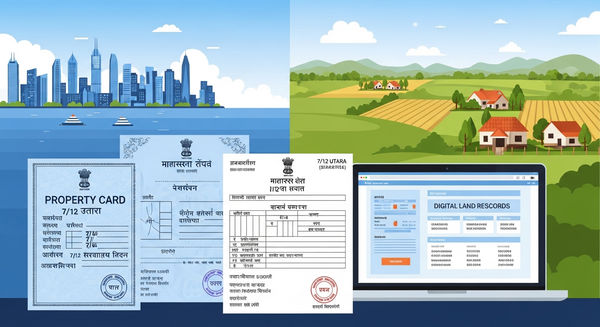
Access Maharashtra property and land records online with Jaaga. Download Property Card, 7/12 Utara, Ferfar, 8A Extract, Bhunaksha, Village Map, CTS Maps, Encumbrance Certificate, RERA details, and more. Fast, secure, and verified document delivery.
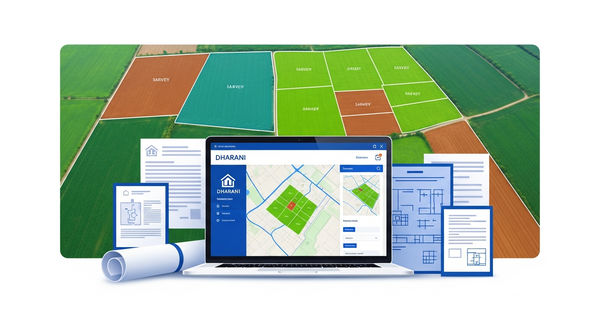
Learn how to research land in Telangana before buying or investing. Discover land records, ownership verification, encumbrance certificates, survey details, legal checks, and expert tips to avoid property disputes.

Discover 15 critical red flags in property documents every lawyer must verify before issuing a title opinion. Learn how modern legal teams handle property due diligence.
.png?tr=w-600,q-80,f-auto)
Learn how a title search report and legal opinion help panel lawyers verify ownership, detect encumbrances, reduce legal risks, and ensure secure property transactions.
.png?tr=w-600,q-80,f-auto)
Supreme Court flags institutional failure as RERA becomes a shield for defaulting builders, not homebuyers. Learn about the challenges.
.png?tr=w-600,q-80,f-auto)
Learn how to download Telangana EC, Land Records, RoR & Pahani instantly using the Jaaga App. Understand document importance, when they are required, and how to access them easily online.
.png?tr=w-600,q-80,f-auto)
Learn why the Telangana government is replacing the GHMC Act with a new Core Urban Act (CURE), how it will affect Hyderabad’s civic administration and urban development.
.png?tr=w-600,q-80,f-auto)
Learn everything about the Encumbrance Certificate (EC), its importance in property transactions, and how to download it online in states like Telangana, AP, Tamil Nadu, and Odisha.
A Certified Encumbrance Certificate (EC) records all property transactions. Learn how to download your Certified EC in Telangana using JaaGa.
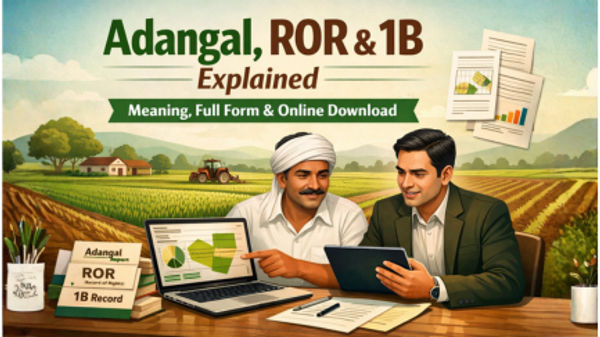
Understand the difference between Adangal, ROR, and 1B documents, their importance, and how to download Adangal and 1B online. A complete guide for landowners and farmers.
.jpg?tr=w-600,q-80,f-auto)
Learn how to view, download, and verify your FMB Sketch or FMB Map Online in Tamil Nadu. Step-by-step guide to accessing the Tamil Nadu Map, downloading FMB records, and checking land details easily.
.jpg?tr=w-600,q-80,f-auto)
Discover essential real estate investment tips for 2026! Learn to select investment properties wisely and thrive in the evolving market landscape.
.jpg?tr=w-600,q-80,f-auto)
Learn what is sale deed and what is sale agreement, their meanings, differences, types, and legal importance in property transactions. Discover what a link document is and why it matters.
.jpg?tr=w-600,q-80,f-auto)
Thinking of buying property in your parents’ name in India? Read this first to understand legal pitfalls, tax impacts, inheritance issues, and smarter strategies before you decide.
.jpg?tr=w-600,q-80,f-auto)
Discover how Title Verification & Legal Opinion protects your property investment. Learn the documents required, what’s included in the report, and why it’s essential for safe real estate transactions.
.jpg?tr=w-600,q-80,f-auto)
Bhu Bharati Portal Scam: Telangana’s ₹52-Crore Digital Fraud Unraveled
The Bhu Bharati portal scam in Telangana has snowballed into a ₹52-crore cyber fraud, revealing deep corruption, forged e-challans, and technical loopholes in India’s land registration systems. Here’s a full breakdown of how it unfolded — and what it means for digital governance.
.jpg?updatedAt=1768798124056&tr=w-600,q-80,f-auto)
A simple guide explaining A Khata, B Khata, eligibility, benefits, and conversion rules in Bangalore.
.jpg?tr=w-600,q-80,f-auto)
Learn how to easily download your Maharashtra 8A (Agriculture) document online using JaaGa. Follow our simple guide to enter your Village/Division and Survey Number to get your 8A extract instantly. Fast, free, and accurate!
.jpg?tr=w-600,q-80,f-auto)
Learn how to download your Maharashtra Property Card using the JaaGa App with a detailed step-by-step guide. Find out how to enter Village/Division, Survey Number, and more.
.jpg?tr=w-600,q-80,f-auto)
In today’s interconnected world, property transactions often involve multiple languages, legal systems, and institutional requirements. Whether you are buying property in a different state, submitting documents to banks, or dealing with government offices for registration or compliance, accurate translation of property documents is essential.
.jpg?tr=w-600,q-80,f-auto)
Get a clear understanding of what is a legal opinion, why it’s vital for property buyers, and how to easily request a verified legal opinion using JaaGa.
.jpg?tr=w-600,q-80,f-auto)
Odisha land records are essential for landowners, buyers, and researchers. One of the most important documents is the Plot Map / Bhunaksha, which shows the geographic layout of land parcels. With the JaaGa portal, you can download the Odisha plot map quickly, simply, and for free — all online!
.jpg?tr=w-600,q-80,f-auto)
Learn how to easily download your Karnataka Khata Extract online using the JaaGa portal. Follow our complete step-by-step guide using your Village/Division and Khata Number to access your property details instantly.
.jpg?tr=w-600,q-80,f-auto)
Buying property in Telangana is a major life milestone, but as recent headlines prove, it can quickly turn into a legal nightmare without the right verification. Learn how to protect yourself from scams.

A Complete Guide for Flats, Villas, and Land Buyers. Learn about RERA, TG RERA, and how a professional property audit report by Jaaga can help you choose the right property with confidence.
.jpg?tr=w-600,q-80,f-auto)
Before registering property in Telangana, learn JaaGa’s expert tips and legal checklist for smooth registration, stamp duty, and document verification. Discover how JaaGa ensures transparent, secure property ownership in Telangana.
.jpg?tr=w-600,q-80,f-auto)
Download Andhra Pradesh Certified Copy online using SRO, document number, and registration year. Legally valid, digitally signed property records via JaaGa.
.jpg?tr=w-600,q-80,f-auto)
Learn how to download the Tamil Nadu FMB Sketch online through the JaaGa platform or the TN e-Services portal. Step-by-step guide with full details on Village/Division, Land Type, Survey Number, and Sub Division Number.
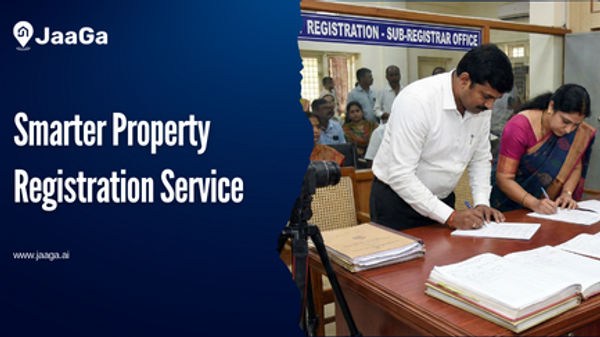
Buying property is one of the most significant investments in a person’s life. Yet, the registration process can often feel like a maze of paperwork, legal jargon, and endless waiting. This is where JaaGa Property Registration Services steps in — providing a one-stop, online registration solution designed to simplify and streamline the entire process.
.jpg?tr=w-600,q-80,f-auto)
Learn what 7 12 Maharashtra land records are, how to check 7 12 online Maharashtra, understand satbara utara Maharashtra, Bhunaksha maps, Ferfar, 8A extract, and how Maharashtra land records work together for safe property transactions.
.jpg?tr=w-600,q-80,f-auto)
Discover how JaaGa automates banking due diligence, eliminates manual verification, accelerates APF and mortgage checks, and delivers fast, accurate property intelligence.

Get accurate, certified property valuation in Hyderabad. Residential, commercial & land valuation for loans, sale, purchase, and legal purposes. Fast & reliable.
.png?updatedAt=1761916011550&tr=w-600,q-80,f-auto)
Mutation is the process of changing the title of a property in the revenue records after it has been sold, inherited, or transferred. In Telangana, the mutation process ensures that the new owner's name is officially registered in government records, allowing them to pay property tax and establish legal ownership.
.png?updatedAt=1758529773318&tr=w-600,q-80,f-auto)
Owning property is one of the biggest financial and emotional investments in India. But proving legal ownership of a property can often be confusing, especially when disputes, missing documents, or unclear records are involved.